Brain Injury Attorney

Brain Injury Attorney

Last Updated: February 2026

Key Takeaways

The CDC reports approximately 190 Americans die from traumatic brain injury-related causes every day, totaling about 69,000 TBI-related deaths per year. TBI can result from car accidents, falls, workplace incidents, and assaults, and victims may recover compensation for medical expenses, lost wages, and diminished quality of life. Lifetime care costs for a severe TBI can exceed $1 million, making accurate damage calculation critical in these cases.

Traumatic brain injuries are among the most devastating injuries a person can suffer. Even what appears to be a mild concussion can have lasting effects on memory, concentration, mood, and the ability to work and function independently. When a brain injury is caused by another person’s negligence, the injured person and their family may be entitled to significant compensation for medical treatment, lost income, and the profound changes to their quality of life. At Maxx Compensation, attorney Charles C. Teale and our legal team understand the complex medical and legal issues involved in brain injury cases and fight to secure the maximum compensation our clients need to move forward.

If you or a loved one has suffered a brain injury due to someone else’s negligence, call 877-462-9952 today for a free case evaluation.

What Is a Traumatic Brain Injury?

A traumatic brain injury (TBI) occurs when an external force disrupts the normal function of the brain. The CDC reports that approximately 2.8 million TBI-related emergency department visits, hospitalizations, and deaths occur in the U.S. each year. This can happen when the head is struck by or against an object, when an object penetrates the skull, or when the brain is violently shaken within the skull by a sudden acceleration or deceleration force, such as in a car accident.

TBIs are classified by severity:

  • Mild TBI (concussion) — A brief change in mental status or consciousness. Symptoms may include headaches, dizziness, confusion, memory problems, and sensitivity to light and noise. While called “mild,” even concussions can cause symptoms that persist for weeks, months, or longer, a condition known as post-concussion syndrome
  • Moderate TBI — A loss of consciousness lasting from a few minutes to a few hours, confusion lasting days to weeks, and physical, cognitive, or behavioral impairments that may last months or be permanent
  • Severe TBI — An extended period of unconsciousness or amnesia. Severe TBIs can result in permanent cognitive impairment, physical disability, personality changes, and the inability to live independently

Types of Traumatic Brain Injuries

Brain injuries take many forms, each with distinct characteristics, mechanisms, and potential outcomes. Understanding the type of brain injury is important for both medical treatment and building a legal claim:

Concussion

A concussion is the most common type of TBI. It occurs when a sudden impact or change in momentum causes the brain to move rapidly within the skull. Concussions can result from a direct blow to the head or from whiplash-type forces that shake the brain. While many concussions resolve within weeks, some individuals develop post-concussion syndrome, in which symptoms such as headaches, dizziness, difficulty concentrating, and mood changes persist for months or longer. Repeated concussions are of particular concern, as research indicates that multiple concussions over time can lead to cumulative neurological damage.

Contusion

A brain contusion is a bruise on the surface of the brain caused by a direct impact to the head. Contusions involve localized bleeding and swelling in the brain tissue. In some cases, a contusion can occur on the side of the brain opposite the impact site (known as a coup-contrecoup injury), where the brain strikes the inside of the skull on both the impact side and the opposite side. Large or multiple contusions may require surgical intervention to reduce swelling and prevent further damage.

Diffuse Axonal Injury (DAI)

Diffuse axonal injury is one of the most severe and common forms of TBI. It occurs when the brain rapidly shifts or rotates inside the skull, tearing the long connecting nerve fibers (axons) that transmit signals between different regions of the brain. DAI is frequently caused by high-speed motor vehicle accidents, violent shaking, or other incidents involving sudden rotational forces. Because the damage is spread throughout the brain rather than concentrated in one area, DAI is often not visible on standard CT scans and may require advanced imaging such as diffusion tensor imaging (DTI) to detect. DAI can result in coma, permanent cognitive impairment, or death.

Penetrating Brain Injury

A penetrating brain injury occurs when an object breaks through the skull and enters the brain tissue. These injuries may result from gunshot wounds, stabbings, workplace accidents involving flying debris, or any incident where a sharp or high-velocity object pierces the skull. Penetrating brain injuries are typically severe and carry a high risk of infection, bleeding, and permanent neurological damage.

Anoxic and Hypoxic Brain Injury

Although not always classified as “traumatic,” anoxic (complete oxygen deprivation) and hypoxic (reduced oxygen supply) brain injuries can occur as a result of negligent acts such as near-drowning, surgical or anesthesia errors, birth injuries, choking, or carbon monoxide poisoning. The brain is highly sensitive to oxygen deprivation, and even a few minutes without adequate oxygen can cause permanent damage. These injuries are often the basis for medical malpractice claims.

The Glasgow Coma Scale: Measuring Brain Injury Severity

The Glasgow Coma Scale (GCS) is the most widely used clinical tool for assessing the severity of a traumatic brain injury. Medical professionals administer the GCS as soon as possible after an injury, and it is used throughout treatment to monitor changes in the patient’s condition. The GCS evaluates three areas of function:

  • Eye opening — Spontaneous (4 points), to voice command (3), to pain (2), or no response (1)
  • Verbal response — Oriented (5 points), confused conversation (4), inappropriate words (3), incomprehensible sounds (2), or no response (1)
  • Motor response — Obeys commands (6 points), localizes pain (5), withdraws from pain (4), abnormal flexion (3), extension (2), or no response (1)

Scores range from 3 (deepest level of unconsciousness) to 15 (fully alert and oriented). TBI severity classifications based on the GCS are:

  • Mild TBI — GCS score of 13 to 15
  • Moderate TBI — GCS score of 9 to 12
  • Severe TBI — GCS score of 3 to 8

GCS scores documented in medical records are important evidence in brain injury claims because they provide an objective, standardized measure of injury severity at the time of the incident and throughout treatment.

What Are the Most Common Causes What Are the Most What Are the Most of Brain Injuries???

Brain injuries can result from many types of accidents and incidents. When another person’s negligence causes a brain injury, the injured person may have a legal claim for compensation. Common causes include:

Motor Vehicle Accidents

Car accidents, motorcycle crashes, truck collisions, pedestrian accidents, and bicycle accidents are leading causes of traumatic brain injuries. The sudden impact and deceleration forces in a collision can cause the brain to collide with the inside of the skull, resulting in bruising, bleeding, and tearing of brain tissue. Motorcycle riders and pedestrians are at particularly high risk because they lack the structural protection of a vehicle.

Falls

Slip and fall accidents are one of the most common causes of TBI, particularly among older adults and young children. According to the CDC, falls account for nearly half (48%) of all TBI-related emergency department visits. Falls from heights, falls on stairs, and falls on slippery or uneven surfaces can all cause serious brain injuries when the head strikes the ground or another hard surface. Property owners who fail to maintain safe conditions may be held liable for fall-related brain injuries.

Workplace Accidents

Construction site accidents, industrial accidents, and other workplace incidents involving falling objects, machinery, explosions, or falls from heights can cause traumatic brain injuries. Workers in construction, manufacturing, oil and gas, and other high-risk industries face elevated risks.

Assaults and Violence

Physical assaults, including punching, shaking, and blows with objects, can cause traumatic brain injuries. In cases involving criminal conduct, the victim may pursue a civil claim for damages regardless of whether criminal charges are filed.

Sports and Recreation

Contact sports, cycling, horseback riding, skiing, and other recreational activities carry a risk of brain injury. When a brain injury results from defective safety equipment, negligent supervision, or unsafe premises, the responsible party may be held liable.

Medical Negligence

Brain injuries can result from medical malpractice, including surgical errors, anesthesia mistakes, failure to diagnose and treat conditions that affect the brain, birth injuries involving oxygen deprivation, and medication errors.

What Are the Symptoms of a Brain Injury?

Brain injury symptoms can appear immediately after the injury or develop gradually over hours, days, or even weeks. Because some symptoms are subtle and may be overlooked, it is critical to seek medical attention after any incident involving a blow to the head or violent shaking.

Acute Symptoms (Hours to Days After Injury)

  • Loss of consciousness, even briefly
  • Headaches that persist or worsen
  • Nausea and vomiting
  • Dizziness and balance problems
  • Blurred vision or other visual disturbances
  • Ringing in the ears
  • Sensitivity to light and noise
  • Confusion and disorientation
  • Difficulty speaking or finding words
  • Seizures
  • Clear fluid draining from the nose or ears, which may indicate a skull fracture

Long-Term Symptoms (Weeks, Months, or Permanently)

  • Persistent headaches
  • Memory problems and difficulty concentrating
  • Slowed thinking and difficulty processing information
  • Fatigue and drowsiness that do not improve with rest
  • Mood swings, irritability, and personality changes
  • Depression and anxiety
  • Sleep disturbances, including insomnia or sleeping more than usual
  • Loss of motivation and initiative
  • Difficulty with multitasking, planning, and organization
  • Social withdrawal and relationship difficulties
  • Increased sensitivity to alcohol and medications

The persistence and severity of these symptoms are critical factors in determining the value of a brain injury claim. Detailed documentation of symptoms from the date of injury forward — through medical records, personal journals, and accounts from family members and coworkers — can significantly strengthen a case.

What Are the Long-Term Effects of Brain Injuries?

While some brain injury victims recover fully, many experience lasting effects that permanently alter their lives. The long-term consequences of a brain injury can include:

  • Cognitive impairment — Difficulty with memory, attention, problem-solving, and executive function that may prevent the person from returning to their previous occupation or living independently
  • Physical disabilities — Chronic headaches, seizure disorders, impaired motor function, vision and hearing problems, and increased vulnerability to future brain injuries
  • Behavioral and emotional changes — Depression, anxiety, aggression, impulsivity, and personality changes that affect relationships and social functioning
  • Communication difficulties — Problems with speech, language comprehension, reading, and writing
  • Increased risk of neurodegenerative conditions — Research has shown that people who have suffered traumatic brain injuries may face an increased risk of developing conditions such as Alzheimer’s disease and Parkinson’s disease later in life, as documented in a landmark study published in JAMA Neurology (2018) finding a 24% increased risk of dementia following TBI

These long-term effects often require ongoing medical treatment, rehabilitation, therapy, and support services that can cost hundreds of thousands of dollars over a lifetime. The National Institutes of Health (NIH) estimates that the annual economic burden of TBI in the United States exceeds $76.5 billion. This is why it is critical to ensure that any legal claim accounts for the full scope of future damages, not just current medical bills.

What Compensation Is Available in Brain Injury Cases?

Brain injury cases often involve significant damages because of the severity and long-term nature of the injuries. Compensation may include:

Economic Damages

  • Past and future medical expenses — Emergency care, hospitalization, surgery, neurological treatment, rehabilitation, physical therapy, occupational therapy, speech therapy, psychological counseling, prescription medications, and assistive devices
  • Lost wages — Income lost during recovery and treatment
  • Loss of earning capacity — If the brain injury prevents the person from returning to their previous job or working at all, they may recover the difference between what they would have earned and what they can now earn over the remainder of their working life. Vocational rehabilitation experts and economists are often retained to calculate this figure
  • Cognitive rehabilitation — Specialized therapy programs designed to help brain injury survivors retrain cognitive skills such as memory, attention, problem-solving, and executive function. Cognitive rehabilitation can continue for years and represents a substantial component of lifetime care costs
  • Home care and assistance — The cost of in-home nursing care, personal assistance, and household services the injured person can no longer perform
  • Home and vehicle modifications — Adaptations needed to accommodate disabilities resulting from the brain injury
  • Life care planning — A life care plan prepared by a qualified professional that projects the injured person’s future medical, rehabilitative, and support needs and their associated costs

Non-Economic Damages

  • Pain and suffering — Physical pain and discomfort caused by the injury and ongoing treatment
  • Emotional distress — Depression, anxiety, frustration, and the psychological impact of living with a brain injury
  • Loss of enjoyment of life — The inability to participate in activities, hobbies, and relationships that the person enjoyed before the injury
  • Loss of consortium — The impact on the injured person’s relationship with their spouse, including loss of companionship, affection, and intimacy
  • Cognitive and personality changes — The fundamental alteration of who the person is, including changes in personality, temperament, and cognitive ability

Punitive Damages

In cases involving grossly negligent or intentional conduct, punitive damages may be available. These damages are intended to punish the wrongdoer and deter similar conduct.

How Do You Prove a Brain Injury Claim?

Brain injury cases present unique challenges because brain damage is not always visible on standard medical imaging, symptoms can be subtle and may not appear immediately, insurance companies often dispute the severity of brain injuries, and the connection between the accident and the brain injury must be clearly established.

Building a strong brain injury claim typically requires:

  • Comprehensive medical documentation — Medical records from the emergency room, treating physicians, neurologists, and neuropsychologists that document the diagnosis, treatment, and prognosis
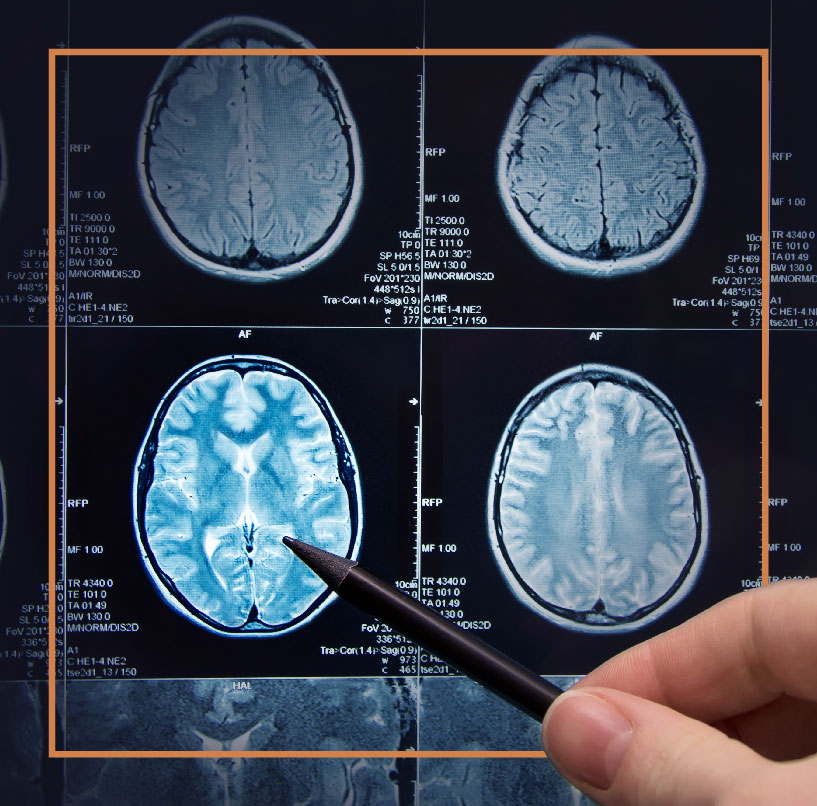
  • Neuroimaging — CT scans, MRI scans, and in some cases advanced imaging techniques such as diffusion tensor imaging (DTI) that can reveal damage not visible on standard imaging
  • Neuropsychological testing — Standardized tests administered by a neuropsychologist that measure cognitive function, memory, attention, processing speed, and other brain functions, and compare the results to the person’s pre-injury baseline
  • Expert testimony — Neurologists, neuropsychologists, life care planners, vocational rehabilitation experts, and economists who can explain the nature and extent of the injury and its impact on the person’s life and future needs
  • Documentation of daily impact — Records of how the brain injury affects the person’s daily life, work performance, relationships, and ability to function independently

The Challenge of Mild TBI Claims

Mild traumatic brain injuries, including concussions and post-concussion syndrome, present some of the most difficult challenges in personal injury law. Despite the word “mild” in the clinical classification, these injuries can have severe and lasting effects on a person’s ability to work, maintain relationships, and live independently. The challenges in mild TBI claims include:

  • Normal imaging results — Mild TBIs frequently do not appear on standard CT scans or MRI scans, leading insurance companies to argue that no real injury occurred. Advanced imaging and thorough neuropsychological testing are often necessary to document the injury
  • Delayed symptom onset — Symptoms of a mild TBI may not appear until days or weeks after the injury, creating a gap in medical records that insurers exploit to question causation
  • Subjective symptoms — Many mild TBI symptoms, such as headaches, difficulty concentrating, and mood changes, are subjective and difficult to measure objectively. Insurance adjusters may dismiss these complaints as exaggerated or unrelated to the accident
  • Pre-existing conditions — Insurance companies often attempt to attribute a mild TBI victim’s symptoms to pre-existing conditions such as depression, anxiety, or prior head injuries rather than the accident in question

Successfully prosecuting a mild TBI claim requires an attorney who understands the medical science behind these injuries and can work with qualified experts to build a compelling case. At Maxx Compensation, we take mild TBI cases seriously and have the resources to retain the neurological and neuropsychological experts necessary to prove the full extent of our clients’ injuries.

How Are Brain Injury Claims Handled for Children?

Brain injuries in children present special concerns because the developing brain is particularly vulnerable to injury, the full extent of a child’s brain injury may not become apparent until years later when they fail to meet developmental milestones, children may have difficulty communicating their symptoms, and the long-term impact on a child’s education, career, and independence can be enormous.

When pursuing a brain injury claim on behalf of a child, it is essential to account for the full lifetime of medical care, educational support, and lost earning potential the child may need. Courts must approve settlements on behalf of minors to ensure the child’s interests are protected.

Frequently Asked Questions

How do I know if I have a brain injury?

If you experienced a blow to the head, violent shaking, or a sudden acceleration/deceleration force (such as in a car accident) and are experiencing any symptoms such as headaches, confusion, memory problems, dizziness, mood changes, or sleep disturbances, you should see a doctor immediately. Brain injuries are diagnosed through neurological examinations, imaging tests, and neuropsychological evaluations.

Can you recover from a brain injury?

Recovery depends on the severity and location of the injury. Many people with mild TBIs recover fully within weeks to months. Moderate to severe TBIs may result in permanent impairments that require ongoing treatment, rehabilitation, and support. Early medical intervention and consistent rehabilitation improve outcomes.

How much does a brain injury lawyer cost?

At Maxx Compensation, we handle brain injury cases on a contingency fee basis. You pay nothing upfront and nothing out of pocket. Our fee is a percentage of the compensation we recover for you. If we do not win your case, you owe us nothing.

What if a brain injury does not show up on a CT scan or MRI?

Standard CT scans and MRIs may not detect all types of brain injuries, particularly diffuse axonal injuries and mild TBIs. Advanced imaging techniques, neuropsychological testing, and clinical evaluation can help document brain injuries that do not appear on standard imaging. Our attorneys work with medical experts who specialize in identifying and documenting brain injuries.

How long does a brain injury case take?

Brain injury cases often take longer than other personal injury cases because it may take months or years to fully understand the extent of the injury and its long-term effects. Your attorney will typically wait until you have reached maximum medical improvement before calculating the full value of your claim. Cases may take one to three years or longer depending on the complexity.

What if the brain injury victim cannot manage their own legal affairs?

If the brain injury has left the person unable to make their own legal decisions, a family member may be appointed as their legal guardian or conservator to act on their behalf. The guardian can hire an attorney and make decisions about the legal claim. Courts closely supervise these cases to protect the injured person’s interests.

Can I file a wrongful death claim if a loved one died from a brain injury?

Yes. If a family member suffered a fatal brain injury due to another person’s negligence, the surviving family members may file a wrongful death claim seeking compensation for funeral expenses, loss of financial support, loss of companionship, and other damages.

What is the difference between a closed head injury and an open head injury?

A closed head injury occurs when the brain is injured without the skull being broken or penetrated. These injuries are typically caused by impacts, falls, or rapid acceleration/deceleration forces. An open (or penetrating) head injury occurs when an object breaks through the skull and enters the brain tissue. Both types of injuries can be severe, but they present different medical and legal considerations. Open head injuries often have more localized damage, while closed head injuries can cause widespread diffuse damage that is harder to detect on imaging.

Will a brain injury affect my ability to work?

Many brain injury survivors experience difficulty returning to work, particularly in jobs that require sustained concentration, multitasking, quick decision-making, or interpersonal communication. Some individuals are able to return to modified duties or less demanding positions, while others are unable to work at all. The impact on earning capacity is one of the largest components of damages in a brain injury claim, and vocational rehabilitation experts can provide testimony about the injured person’s future employment limitations.

What should I do immediately after a head injury?

Seek medical attention immediately, even if symptoms seem minor. Go to the nearest emergency room or call 911 if there is loss of consciousness, repeated vomiting, seizures, clear fluid from the nose or ears, or worsening symptoms. Follow up with your primary care physician and request a referral to a neurologist if symptoms persist. Document your symptoms in a daily journal, keep all medical records and bills, and contact an experienced brain injury attorney before speaking with any insurance company. Early medical documentation is critical both for your health and for protecting your legal rights.

Find a Brain Injury Lawyer in Your State

Maxx Compensation represents brain injury victims across all 50 states. Select your state to learn about the laws and legal options specific to your location:

Contact Maxx Compensation Today

Brain injury cases are complex and require an attorney who understands both the medical and legal issues involved. At Maxx Compensation, attorney Charles C. Teale and our legal team have the experience, resources, and determination to fight for the full compensation brain injury victims and their families deserve. We work with leading medical experts, life care planners, and economists to build comprehensive cases that account for every aspect of our clients’ current and future needs.

Call 877-462-9952 today or visit our free case evaluation page for a free, confidential consultation. There is no fee unless we recover compensation for you.

Car accidents are one of the leading causes of traumatic brain injuries. If you suffered a brain injury in a vehicle collision, our car accident lawyers can help you pursue a claim that accounts for the full impact of your TBI.

Brain injuries often occur alongside spinal cord damage in high-impact accidents. Our spinal cord injury lawyers work collaboratively with our brain injury team to address all aspects of your injuries.

Brain injury cases can result in substantial settlements due to the extensive medical care and life changes involved. Learn more about how much your brain injury case may be worth.

Q: What is the average settlement for a traumatic brain injury?

Traumatic brain injury settlements vary dramatically based on the severity and permanence of the injury. Mild concussion cases with full recovery may settle for $50,000 to $100,000, while moderate TBI cases with lasting cognitive impairment commonly settle between $500,000 and $1.5 million. Severe traumatic brain injuries resulting in permanent disability, personality changes, or the need for lifelong care can result in settlements or verdicts of $2 million to $10 million or more. The lifetime cost of care for a severe TBI patient is a major factor driving these high values.

Q: How do you prove a brain injury in court?

Proving a brain injury in court requires a combination of medical evidence and expert testimony. Key evidence includes diagnostic imaging such as CT scans, MRI, and advanced neuroimaging like DTI or fMRI, neuropsychological testing that documents cognitive deficits, medical records showing a consistent treatment history, and testimony from treating neurologists and neuropsychologists. Testimony from family members, coworkers, and friends about observed changes in behavior, personality, and cognitive function is also powerful evidence. An experienced brain injury attorney will assemble a comprehensive evidentiary package tailored to the specific injury.

Q: What types of brain injuries qualify for compensation?

Any brain injury caused by another party’s negligence can qualify for compensation. This includes concussions, contusions, diffuse axonal injuries, coup-contrecoup injuries, penetrating brain injuries, and anoxic brain injuries caused by oxygen deprivation. Even so-called “mild” traumatic brain injuries can cause debilitating symptoms including chronic headaches, memory loss, difficulty concentrating, mood changes, and sleep disturbances. The key factor is not the medical classification of the injury but whether it was caused by someone else’s negligent or wrongful conduct and whether it has affected your quality of life.