Motorcycle Accident Lawyer

Motorcycle Accident Lawyer

Last Updated: February 2026

Key Takeaways

Motorcyclists are 24 times more likely to die in a crash per vehicle mile traveled than passenger car occupants, according to NHTSA data. Victims of motorcycle accidents caused by another driver’s negligence can pursue compensation for medical expenses, lost wages, and pain and suffering under their state’s personal injury laws. Insurance company bias against riders makes experienced legal representation critical in these cases.

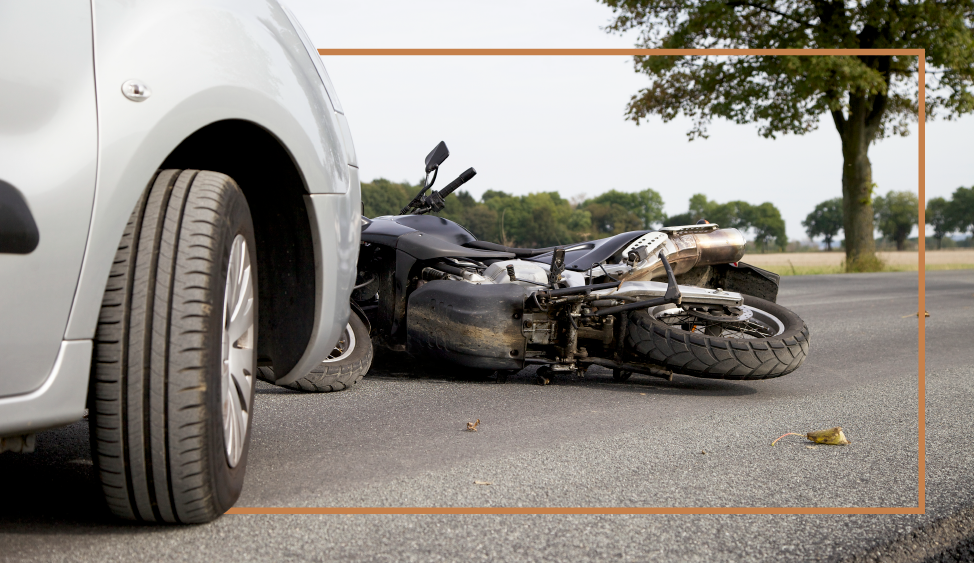
Motorcycle accidents are among the most devastating types of traffic collisions. Without the structural protection of an enclosed vehicle, riders face a significantly higher risk of severe injury or death when a crash occurs. According to the National Highway Traffic Safety Administration (NHTSA), motorcyclists are roughly 24 times more likely to die in a crash per vehicle mile traveled than occupants of passenger cars (NHTSA Traffic Safety Facts, DOT HS 813 548).

If you or a loved one has been injured in a motorcycle accident caused by someone else’s negligence, you deserve experienced legal representation that understands the unique challenges motorcycle injury claims present. At Maxx Compensation, attorney Charles C. Teale fights aggressively to hold negligent drivers, government entities, and other responsible parties accountable for the harm they cause to motorcycle riders.

Call 877-462-9952 today or request a free case evaluation to discuss your motorcycle accident claim. There is no fee unless we recover compensation for you.

Why Do You Need a Motorcycle Accident Lawyer?

Motorcycle accident claims are fundamentally different from standard car accident cases. Insurance companies routinely exploit anti-motorcycle bias to minimize or deny legitimate claims. A skilled motorcycle accident lawyer can make the difference between a lowball settlement and full, fair compensation for your injuries.

Fighting Insurance Company Bias

One of the biggest obstacles motorcycle accident victims face is the pervasive bias against riders. Insurance adjusters frequently assume the motorcyclist was at fault, was riding recklessly, or was engaged in dangerous behavior — regardless of what actually happened. This bias can lead to:

  • Unjustified denial of valid claims
  • Settlement offers that are a fraction of the claim’s actual value
  • Blame-shifting tactics designed to reduce or eliminate the insurer’s payout
  • Delays intended to pressure injured riders into accepting inadequate offers

An experienced motorcycle accident attorney understands these tactics and knows how to counter them with evidence, expert testimony, and aggressive negotiation.

How Does Comparative Fault Affect Your Case How Does Affect Your Case What Should You Know About??

Many states follow comparative fault rules, which means your compensation can be reduced by your percentage of fault in the accident. Insurance companies exploit this by attributing as much blame as possible to the motorcyclist. A knowledgeable lawyer will investigate the crash thoroughly, gather evidence that establishes the other party’s liability, and protect you from unfair fault allocation.

Maximizing the Value of Your Claim

Motorcycle accident injuries tend to be far more severe than those in typical car crashes, which means the financial stakes are higher. Medical bills can reach into the hundreds of thousands of dollars. Lost income, future medical needs, and non-economic damages like pain and suffering can push the total value of a claim even higher. Without legal representation, many accident victims accept settlements that fail to account for long-term costs and future losses.

What Are the Most Common Causes What Are the Most What Are the Most of Motorcycle Accidents???

Understanding what causes motorcycle accidents is essential for establishing liability. While each crash is unique, certain patterns appear repeatedly in motorcycle accident cases across the country.

Left-Turn Collisions

One of the most common and dangerous scenarios for motorcyclists occurs when an oncoming vehicle makes a left turn in front of a motorcycle. Drivers frequently misjudge the speed of an approaching motorcycle or fail to see it altogether. These collisions often result in catastrophic injuries because the motorcyclist has little time to react and strikes the turning vehicle at speed.

Distracted Driving

Distracted driving remains one of the leading causes of all traffic accidents, and motorcyclists are especially vulnerable. The NHTSA reports that 3,308 people were killed in distraction-affected crashes in 2022. A driver who is texting, adjusting a GPS, eating, or otherwise not paying attention to the road is far less likely to notice a motorcycle sharing the roadway. Even a momentary lapse in attention can have fatal consequences for a rider.

Unsafe Lane Changes

Because motorcycles are smaller than cars, trucks, and SUVs, they are more likely to be in a driver’s blind spot. When a driver changes lanes without properly checking mirrors and blind spots, they can sideswipe a motorcycle or force the rider off the road entirely.

Speeding and Aggressive Driving

Drivers who speed, tailgate, or weave through traffic put everyone on the road at risk, but the consequences for motorcyclists are often far worse. A high-speed rear-end collision that might cause whiplash in a car can be fatal for a motorcycle rider.

Driving Under the Influence

Drunk and drugged driving continues to be a major factor in motorcycle fatalities. Impaired drivers have reduced reaction times, impaired judgment, and difficulty maintaining lane position — all of which dramatically increase the risk of colliding with a motorcycle.

Hazardous Road Conditions

Potholes, loose gravel, uneven pavement, debris, oil slicks, and inadequate signage pose a much greater danger to motorcycles than to passenger vehicles. Two-wheeled vehicles are inherently less stable, and road hazards that a car might drive over without issue can cause a motorcyclist to lose control. When a government entity is responsible for maintaining a dangerous roadway, it may be held liable for resulting accidents.

Vehicle Defects

Sometimes motorcycle accidents are caused not by another driver but by a defect in the motorcycle itself or in another vehicle involved in the crash. Defective brakes, tires, throttle systems, or helmets can all contribute to or worsen an accident. In these cases, the manufacturer, distributor, or retailer may be liable under product liability law.

Door Collisions (Dooring)

In urban areas, motorcyclists face the hazard of parked car doors being opened directly into their path of travel. These “dooring” accidents can throw a rider from the motorcycle and into oncoming traffic, causing severe injuries.

What Types of Motorcycle Accident Cases Does Maxx Compensation Handle?

At Maxx Compensation, we represent motorcyclists injured in a wide range of accident scenarios, including:

  • Intersection collisions — crashes at intersections caused by drivers running red lights, failing to yield, or making illegal turns
  • Rear-end accidents — when a driver strikes a motorcycle from behind, often at a stoplight or in slow-moving traffic
  • Head-on collisions — among the most deadly motorcycle accidents, often caused by a driver crossing the center line
  • Sideswipe accidents — caused by unsafe lane changes or a driver drifting out of their lane
  • Single-vehicle accidents caused by road hazards — crashes caused by poorly maintained roads, construction zones, or debris left by other vehicles
  • Hit-and-run accidents — when the at-fault driver flees the scene, leaving the injured motorcyclist without immediate recourse
  • Accidents involving commercial vehicles — collisions with trucks, buses, and delivery vehicles, which often involve additional insurance coverage and liability issues
  • Lane-splitting accidents — crashes that occur when a motorcycle rides between lanes of traffic, the legality and liability for which varies by state
  • Accidents involving uninsured or underinsured motorists — claims that require pursuing compensation through the rider’s own insurance policy
  • Wrongful death claims — cases filed by the surviving family members of a motorcyclist killed in a crash caused by negligence

What Injuries Are Most Common in Motorcycle Accidents?

The injuries sustained in motorcycle accidents tend to be significantly more severe than those in car accidents. The lack of a protective enclosure means the rider’s body absorbs the full force of the impact. Common injuries include:

Traumatic Brain Injuries (TBI)

Traumatic brain injuries are one of the most serious consequences of motorcycle accidents. Even riders wearing helmets can sustain concussions, skull fractures, or severe brain damage. TBI can result in cognitive impairment, personality changes, memory loss, and permanent disability. The long-term medical costs associated with traumatic brain injury can be substantial, often requiring years or a lifetime of specialized care, rehabilitation, and therapy.

Spinal Cord Injuries and Paralysis

The force of a motorcycle crash can damage the spinal cord, potentially causing partial or complete paralysis. Spinal cord injuries often result in paraplegia or quadriplegia, dramatically altering the victim’s life and requiring extensive ongoing medical treatment, adaptive equipment, home modifications, and personal care assistance.

Broken Bones and Fractures

Fractures are extremely common in motorcycle accidents. The legs, arms, wrists, collarbones, ribs, and pelvis are particularly vulnerable. Compound fractures — where the bone breaks through the skin — are especially dangerous due to the risk of infection and may require multiple surgeries and lengthy rehabilitation.

Road Rash and Skin Injuries

When a motorcyclist is thrown from the bike and slides across pavement, the resulting abrasion injuries — commonly called “road rash” — can be far more serious than the name suggests. Severe road rash can strip away multiple layers of skin and underlying tissue, exposing muscle and bone. These injuries often require skin grafts and can result in permanent scarring and disfigurement.

Burns

Motorcycle accidents can result in burn injuries from contact with hot engine parts, exhaust pipes, or fuel that ignites during a crash. Severe burns require specialized treatment at burn centers and can cause permanent scarring, nerve damage, and limited mobility.

Neck and Back Injuries

Neck and back injuries are common in motorcycle crashes and can range from muscle strains and herniated discs to fractured vertebrae. These injuries can cause chronic pain, reduced mobility, and may require surgery or long-term pain management.

Internal Injuries

The blunt force trauma of a motorcycle accident can cause damage to internal organs, including the liver, spleen, kidneys, and lungs. Internal bleeding is a life-threatening emergency that may not be immediately apparent after a crash, which is why seeking medical attention immediately after any motorcycle accident is critical.

Amputation and Limb Loss

In the most severe motorcycle accidents, riders may suffer traumatic amputation at the scene or require surgical amputation due to the extent of their injuries. The loss of a limb has profound physical, emotional, and financial consequences that last a lifetime.

What Compensation Is Available in Motorcycle Accident Cases?

Motorcycle accident victims who can prove that another party’s negligence caused their injuries may be entitled to recover compensation for a wide range of losses. The specific types and amounts of compensation available depend on the facts of each case, the severity of injuries, applicable state law, and other factors.

Economic Damages

Economic damages compensate for financial losses that can be calculated and documented. They include:

  • Medical expenses — emergency treatment, hospitalization, surgery, diagnostic imaging, prescription medications, physical therapy, rehabilitation, and all other medical costs related to the accident
  • Future medical costs — projected expenses for ongoing treatment, follow-up surgeries, long-term rehabilitation, assistive devices, and any care the victim will need going forward
  • Lost wages — income lost during recovery, including salary, hourly wages, bonuses, commissions, and other compensation
  • Loss of earning capacity — reduced ability to earn income in the future due to permanent injuries or disabilities
  • Property damage — repair or replacement costs for the motorcycle, riding gear, and other personal property damaged in the crash
  • Out-of-pocket expenses — transportation to medical appointments, home modifications, household help, and other costs directly related to the injury

Non-Economic Damages

Non-economic damages compensate for losses that are real but more difficult to quantify in dollar terms:

  • Pain and suffering — physical pain and discomfort caused by the injuries and medical treatment
  • Emotional distress — anxiety, depression, PTSD, fear, and other psychological impacts of the accident
  • Loss of enjoyment of life — inability to participate in hobbies, recreational activities, and other aspects of life the victim enjoyed before the accident
  • Loss of consortium — the impact of the injuries on the victim’s relationship with their spouse or partner
  • Scarring and disfigurement — permanent physical changes resulting from the injuries

Punitive Damages

In cases involving particularly egregious conduct — such as drunk driving or intentional recklessness — courts may award punitive damages. Unlike compensatory damages, punitive damages are intended to punish the wrongdoer and deter similar conduct in the future. The availability of punitive damages and any caps on the amount vary by state.

What Should You Do After a Motorcycle Accident?

The steps you take immediately after a motorcycle accident can have a significant impact on your health and your ability to recover compensation. While every situation is different, the following guidelines apply to most motorcycle crash scenarios.

1. Seek Medical Attention Immediately

Your health is the top priority. Call 911 or ask someone else to do so. Even if you believe your injuries are minor, get a medical evaluation as soon as possible. Many serious injuries — including internal bleeding, traumatic brain injuries, and spinal cord damage — may not produce obvious symptoms immediately. A prompt medical evaluation also creates a documented link between the accident and your injuries, which is critical for your legal claim.

2. Call Law Enforcement

A police report is an important piece of evidence in any motorcycle accident case. When officers arrive, provide an honest account of what happened, but avoid speculating about fault or downplaying your injuries. Request a copy of the police report or the report number for your records.

3. Document the Scene

If you are physically able to do so, take photographs and video of the accident scene, including:

  • Damage to your motorcycle and the other vehicle(s)
  • Your injuries (visible cuts, bruises, road rash, etc.)
  • Skid marks, debris, and road conditions
  • Traffic signals, signs, and road markings
  • The surrounding area and weather conditions

4. Gather Information

Exchange contact and insurance information with the other driver(s). If there are witnesses, ask for their names and phone numbers. Note the make, model, color, and license plate number of all vehicles involved.

5. Do Not Admit Fault

Avoid making statements like “I’m sorry” or “I didn’t see you” at the scene. Even well-intentioned comments can be used against you by insurance companies to argue that you were partially or fully at fault for the crash.

6. Notify Your Insurance Company

Report the accident to your own insurance company as required by your policy. Provide basic facts about the accident, but do not give a recorded statement or accept any settlement offers without first speaking to an attorney.

7. Do Not Speak With the Other Driver’s Insurance Company

The at-fault driver’s insurance company may contact you quickly after the accident. Their goal is to minimize the amount they pay on your claim. Politely decline to give a recorded statement and refer them to your attorney.

8. Contact a Motorcycle Accident Lawyer

The sooner you involve an experienced attorney, the better your chances of preserving evidence, meeting filing deadlines, and obtaining full compensation. At Maxx Compensation, we offer free consultations and work on a contingency fee basis, meaning you pay nothing unless we win your case.

How Do You Prove Fault in a Motorcycle Accident?

To recover compensation in a motorcycle accident case, you generally must prove that the other party was negligent. This requires establishing four legal elements:

  1. Duty of care — The at-fault party owed you a legal duty to operate their vehicle safely and obey traffic laws.
  2. Breach of duty — The at-fault party violated that duty through some act or omission, such as texting while driving, running a red light, or failing to check a blind spot.
  3. Causation — The breach of duty directly caused or substantially contributed to the accident and your injuries.
  4. Damages — You suffered actual, compensable losses as a result of the accident, such as medical bills, lost income, and pain and suffering.

Evidence Used to Prove Fault

Building a strong motorcycle accident case requires thorough investigation and evidence gathering. The types of evidence commonly used include:

  • Police reports — official documentation of the crash, including the responding officer’s observations and any citations issued
  • Witness statements — testimony from people who saw the accident occur
  • Surveillance and dashcam footage — video from traffic cameras, nearby businesses, or vehicle-mounted cameras
  • Accident reconstruction — expert analysis of physical evidence, vehicle damage, and crash dynamics to determine how the accident occurred
  • Cell phone records — evidence that the at-fault driver was using their phone at the time of the crash
  • Medical records — documentation of injuries, treatment, and prognosis that links injuries to the accident
  • Expert testimony — opinions from medical professionals, accident reconstruction engineers, vocational experts, and economists

How Does Comparative Fault Affect Your Case How Does Affect Your Case Considerations??

In many states, both parties in an accident can share fault. Under comparative negligence rules, your compensation may be reduced by the percentage of fault attributed to you. For example, if you are found to be 20 percent at fault and your total damages are $500,000, your recovery would be reduced to $400,000. Some states follow a “modified” comparative negligence rule that bars recovery entirely if you are 50 or 51 percent or more at fault. A few states still follow contributory negligence, which can bar recovery if the plaintiff is even one percent at fault. Maryland, Virginia, North Carolina, Alabama, and the District of Columbia continue to apply this strict standard under common law. An experienced motorcycle accident attorney will work to minimize any fault attributed to you and maximize your recovery under your state’s applicable rules.

How Do Motorcycle Helmet Laws Affect Your Claim?

Helmet laws in the United States vary significantly from state to state, and they can affect both rider safety and legal claims after an accident.

Types of Helmet Laws

  • Universal helmet laws — Some states require all motorcycle riders and passengers to wear a helmet, regardless of age or experience. These laws apply to everyone on a motorcycle.
  • Partial helmet laws — Many states require helmets only for certain riders, typically those under a specific age (commonly 18 or 21) or those with limited riding experience or insurance coverage.
  • No helmet law — A small number of states have no helmet requirement for adult riders.

How Helmet Use Affects Your Claim

Whether or not you were wearing a helmet at the time of a motorcycle accident can become a factor in your injury claim. In states that require helmets, failure to wear one may be treated as a violation of law and could be used as evidence of comparative fault, potentially reducing your compensation. Even in states without a helmet requirement, insurance companies and defense attorneys may argue that your injuries would have been less severe if you had been wearing a helmet — a defense sometimes called the “helmet defense.” The admissibility and impact of this argument varies by jurisdiction.

Regardless of the legal landscape, wearing a DOT-approved helmet significantly reduces the risk of fatal head injuries in a crash. The NHTSA has consistently found that helmets are the single most effective piece of safety equipment available to motorcyclists, reducing the risk of death by 37% and the risk of head injury by 69% (NHTSA, DOT HS 811 992).

How Long Do You Have to File a Claim What Is the for Motorcycle Accident Claims??

Every state imposes a deadline for filing a personal injury lawsuit, known as the statute of limitations. In most states, the statute of limitations for personal injury claims ranges from one to six years from the date of the accident, with two or three years being the most common timeframe. If you miss this deadline, you will almost certainly lose your right to file a lawsuit and recover compensation.

Certain circumstances can affect the statute of limitations, including:

  • The injured person was a minor at the time of the accident
  • The at-fault party left the state after the accident
  • The injuries were not immediately discovered (the “discovery rule”)
  • The claim is against a government entity, which may have a shorter deadline and require a notice of claim

Because the applicable deadline depends on your state’s laws and the specific facts of your case, it is important to consult with an attorney as soon as possible after a motorcycle accident to ensure your rights are preserved.

How Do Motorcycle Accident Claims Differ from Car Accident Claims?

While motorcycle accident claims share some similarities with car accident claims, there are important differences that affect how these cases are investigated, valued, and litigated.

  • Severity of injuries — Motorcycle accident injuries are typically far more severe than car accident injuries, leading to higher medical costs, longer recovery periods, and greater non-economic damages.
  • Bias against riders — Motorcyclists face a level of prejudice from insurance adjusters, jurors, and even judges that car accident victims generally do not encounter. Overcoming this bias requires an attorney who understands motorcycle culture and can humanize the rider.
  • Visibility issues — Many motorcycle accidents are caused by drivers who claim they “didn’t see” the motorcycle. Establishing that the driver failed to look properly — rather than that the motorcycle was not visible — is a critical part of many cases.
  • Different insurance considerations — Motorcycle insurance policies may have different coverage structures than auto policies. Understanding how uninsured/underinsured motorist coverage, medical payments coverage, and other policy provisions apply to motorcycles requires specialized knowledge.
  • Helmet and gear evidence — The rider’s use or non-use of a helmet and protective gear can become an issue in the case, introducing legal questions that do not arise in car accident claims.

Why Choose Maxx Compensation for Your Motorcycle Accident Case?

At Maxx Compensation, attorney Charles C. Teale understands that motorcycle riders deserve the same respect and fair treatment as any other road user. We are committed to fighting the bias that motorcycle accident victims face and pursuing maximum compensation for your injuries and losses.

  • Experienced representation — We handle the full range of motorcycle accident cases, from straightforward intersection collisions to complex multi-vehicle crashes involving catastrophic injuries.
  • Thorough investigation — We work with accident reconstruction experts, medical professionals, and other specialists to build the strongest possible case on your behalf.
  • No upfront costs — We work on a contingency fee basis. You pay no attorney fees unless we recover compensation for you.
  • Personalized attention — Every case receives the individual attention it deserves. We keep you informed at every stage of the process and are always available to answer your questions.
  • Aggressive negotiation and litigation — We are not afraid to take cases to trial when insurance companies refuse to offer fair compensation. Our willingness to litigate gives us leverage in negotiations.

Frequently Asked Questions About Motorcycle Accident Claims

How much is my motorcycle accident case worth?

The value of a motorcycle accident case depends on many factors, including the severity of your injuries, the extent of your medical treatment, whether you have permanent impairment or disability, the amount of lost income, the degree of pain and suffering, and the available insurance coverage. Because every case is different, it is impossible to provide a meaningful estimate without reviewing the specific facts of your situation. During your free case evaluation, we can discuss the factors that affect the value of your claim.

Can I still recover compensation if I was partially at fault for the accident?

In most states, yes. The majority of states follow some form of comparative negligence, which allows you to recover compensation even if you were partially at fault, though your award will be reduced by your percentage of fault. However, a few states follow contributory negligence, which can bar recovery entirely if you bear any fault. The specific rules that apply depend on the state where the accident occurred. An experienced motorcycle accident attorney can advise you on how fault may affect your claim.

What if the driver who hit me was uninsured or fled the scene?

If the at-fault driver has no insurance or cannot be identified (as in a hit-and-run), you may still be able to recover compensation through your own uninsured or underinsured motorist (UM/UIM) coverage. This type of coverage is optional in some states and mandatory in others. We can review your insurance policy to determine what coverage is available to you.

How long do I have to file a motorcycle accident lawsuit?

The time limit for filing a personal injury lawsuit varies by state. Most states have a statute of limitations of two to three years from the date of the accident, but some states allow more or less time. Claims against government entities may have shorter deadlines and additional procedural requirements, such as filing a notice of claim within a few months of the accident. It is essential to consult with an attorney promptly to ensure you do not miss any applicable deadlines.

Should I accept the insurance company’s first settlement offer?

In almost all cases, no. Initial settlement offers from insurance companies are typically far lower than the actual value of the claim. Insurance adjusters make early offers hoping that injured victims will accept before they fully understand the extent of their injuries and losses. Once you accept a settlement, you give up your right to seek additional compensation, even if your injuries turn out to be worse than initially expected. Before accepting any offer, have it reviewed by a qualified motorcycle accident attorney who can assess whether it reflects the full value of your claim.

Do I have to go to court for my motorcycle accident case?

The majority of personal injury cases, including motorcycle accident claims, are resolved through settlement negotiations without going to trial. However, if the insurance company refuses to offer fair compensation, filing a lawsuit and going to trial may be necessary to obtain the result you deserve. At Maxx Compensation, we prepare every case as if it will go to trial, which gives us greater leverage in settlement negotiations and ensures we are ready if trial becomes necessary.

What if my loved one was killed in a motorcycle accident?

If a family member was fatally injured in a motorcycle accident caused by another party’s negligence, you may be able to file a wrongful death lawsuit. Wrongful death claims allow surviving family members — typically a spouse, children, or parents — to recover compensation for funeral and burial expenses, loss of financial support, loss of companionship and guidance, and other damages. The specific rules governing who can file a wrongful death claim and what damages are recoverable vary by state.

How much does it cost to hire a motorcycle accident lawyer?

At Maxx Compensation, we handle motorcycle accident cases on a contingency fee basis. This means you pay no attorney fees upfront and owe nothing unless we successfully recover compensation for you. Our fee is a percentage of the recovery, and the specific percentage will be clearly explained before you sign any agreement. This arrangement allows injured motorcyclists to access experienced legal representation regardless of their financial situation.

Contact a Motorcycle Accident Lawyer Today

A motorcycle accident can change your life in an instant. Catastrophic injuries, mounting medical bills, lost income, and physical and emotional pain can feel overwhelming. You do not have to face this alone.

Attorney Charles C. Teale and the team at Maxx Compensation are ready to fight for the compensation you need and deserve. We will thoroughly investigate your accident, build a strong case on your behalf, handle all communications with insurance companies, and pursue every dollar of compensation available to you.

Contact Maxx Compensation today for a free, no-obligation case evaluation. Call 877-462-9952 or complete our free case evaluation form online. We are available 24/7 to take your call.

Time is limited. Evidence can disappear, witnesses’ memories fade, and statutes of limitations run out. The sooner you reach out, the sooner we can begin working to protect your rights and secure fair compensation for your motorcycle accident injuries.

Find a Motorcycle Accident Lawyer in Your State

Maxx Compensation represents motorcycle accident victims across all 50 states. Select your state to learn about the laws and legal options specific to your location:

Q: Are motorcycle accident settlements higher than car accidents?

Motorcycle accident settlements tend to be higher than car accident settlements because motorcyclists typically suffer far more severe injuries. Without the protective shell of a vehicle, motorcyclists are more likely to sustain catastrophic injuries including traumatic brain injuries, spinal cord injuries, severe road rash, and amputations. These severe injuries result in higher medical bills, longer recovery periods, greater lost wages, and more significant pain and suffering damages, all of which drive up the overall settlement value.

Q: What if I wasn’t wearing a helmet?

Not wearing a helmet can affect your motorcycle accident case, but it does not necessarily prevent you from recovering compensation. In states without mandatory helmet laws, failure to wear a helmet generally cannot be used against you. In states with helmet laws, the defense may argue that your head injuries would have been less severe if you had been wearing a helmet, potentially reducing your damages. However, the at-fault driver is still liable for causing the accident itself. An experienced motorcycle accident attorney can effectively counter helmet defense arguments and protect your right to fair compensation.

Q: How is fault determined in a motorcycle accident?

Fault in a motorcycle accident is determined by evaluating the evidence to identify which party violated traffic laws or acted negligently. Key evidence includes the police accident report, witness statements, traffic camera or dashcam footage, physical evidence from the scene such as skid marks and debris patterns, and expert accident reconstruction analysis. Common causes of motorcycle accidents include drivers failing to yield, making unsafe lane changes, or opening car doors into traffic. Despite common bias against motorcyclists, a thorough investigation typically reveals that the other motorist was at fault.

Q: What should I do after a motorcycle accident?

After a motorcycle accident, seek immediate medical attention even if your injuries seem minor, as adrenaline can mask serious conditions. If possible, move to safety, call 911, and document the scene with photos of the vehicles, road conditions, your injuries, and any damaged riding gear. Collect the other driver’s insurance and contact information along with witness details. Do not remove your helmet at the scene if you suspect a head or neck injury. Avoid giving recorded statements to insurance companies and consult a motorcycle accident attorney before accepting any settlement offers.