Voted Best Personal Injury Attorney | Voted Top Trial Attorney
Premises Liability Lawyer
Premises Liability Lawyer
Almost every day you spend a substantial part of your time on property that you do not own: going to work, shopping, visiting others’ residences, and so on. Most of the time these visits are uneventful. But what happens if you suffer an injury on that property? What rights do you have, and what duty does the owner of that property have to you to prevent that injury? If you have been injured, an experienced premises liability lawyer can answer these questions and help you pursue the compensation you deserve.
Premises liability is one of the most common areas of personal injury law in the United States. Property owners and occupiers have a legal obligation to maintain safe conditions for visitors. When they fail to do so and someone is injured as a result, the injured person may have the right to seek financial compensation through a premises liability claim. At Maxx Compensation, our attorneys have extensive experience handling these cases nationwide, and we are committed to holding negligent property owners accountable.
Maxx Compensation has experienced personal injury lawyers with experience handling premises liability cases throughout the United States. Contact Maxx Compensation directly at 877-4-Maxx Law or 877-462-9952 for a Free Consultation Today in order to learn more about your rights and to get answers to your questions.
What Is Premises Liability?
Premises liability is a legal concept within personal injury law that holds property owners and occupiers responsible when someone is injured on their property due to unsafe or defective conditions. Unlike other areas of personal injury law that focus on active conduct such as reckless driving or medical errors, premises liability centers on the condition of the property itself and whether the owner or occupier took reasonable steps to prevent harm.
The legal foundation of premises liability rests on the principle that anyone who owns, leases, or otherwise controls a property has a duty to ensure that the property is reasonably safe for those who enter it. This duty applies to a wide range of properties, including retail stores, restaurants, office buildings, apartment complexes, private homes, parking garages, amusement parks, government buildings, and more.
When a property owner or occupier breaches this duty by failing to address known hazards, failing to conduct reasonable inspections, or failing to warn visitors of dangerous conditions, and that breach causes someone to suffer an injury, the injured party may be entitled to compensation for their medical expenses, lost wages, pain and suffering, and other damages.
Property Owner’s Duty of Care
The duty of care that a property owner owes to visitors is not the same for everyone. Most states categorize people who enter another person’s property into distinct groups, and the level of care owed to each group differs significantly. Understanding your legal status at the time of your injury is essential to determining whether you have a viable premises liability claim.
Invitees
Invitees are individuals who enter a property for a purpose related to the owner’s business or for the mutual benefit of both parties. The most common examples include shoppers in a retail store, diners at a restaurant, hotel guests, patients visiting a medical office, and patrons at entertainment venues. Property owners owe the highest duty of care to invitees. This means the owner must regularly inspect the property for potential hazards, promptly repair any dangerous conditions, and provide adequate warnings about risks that cannot be immediately corrected. If a grocery store employee mops the floor but fails to place a wet floor sign, and a customer slips and breaks a hip, the store may be liable because it failed to warn the invitee of a known hazard.
Licensees
Licensees are people who enter a property with the owner’s permission but for their own purpose rather than for the owner’s business benefit. Social guests visiting a friend’s home are the most common example. Property owners owe licensees a moderate duty of care. They must warn licensees about known dangerous conditions that are not obvious, but they are generally not required to inspect the property for hidden hazards the way they must for invitees. For instance, if a homeowner knows that a step on the back porch is rotting but does not warn a dinner guest, and the guest falls through the step and is injured, the homeowner may be liable for failing to warn about a known danger.
Trespassers
Trespassers are people who enter or remain on a property without the owner’s permission. Property owners owe trespassers the lowest duty of care. Generally, the owner must only refrain from willfully or wantonly causing harm to a trespasser. However, if the owner knows that trespassers frequently enter a certain area of the property, the duty of care may increase to include warnings about artificial dangers such as guard dogs, electric fences, or concealed traps. An important exception to the limited duty owed to trespassers involves children. Under the attractive nuisance doctrine, property owners may be held liable for injuries to trespassing children if the property contains a condition that is likely to attract children, such as a swimming pool, trampoline, or abandoned vehicle, and the owner fails to take reasonable steps to prevent children from accessing the hazard.
Recreational Users
An owner or occupier of land has a limited duty of care toward those who enter upon it to engage in a recreational activity such as fishing, hunting, camping, hiking, biking, or off-road vehicle use. Many states have enacted recreational use statutes that reduce landowner liability to encourage property owners to open their land for public recreation. However, the reduced duty may not apply if the owner charges a fee for access to the property or if the owner acts with willful or malicious conduct.
Common Premises Liability Scenarios
Wet Floors and Spills
Slip and fall accidents caused by wet floors, spilled liquids, freshly mopped surfaces, and leaking fixtures are among the most frequently reported premises liability incidents. Stores, restaurants, and commercial buildings must clean up spills promptly and post warning signs while the hazard exists.
Poor Lighting Conditions
Inadequate lighting in hallways, stairwells, parking lots, and walkways can obscure obstacles, uneven surfaces, and other dangers. Property owners have an obligation to provide sufficient lighting to allow visitors to navigate the property safely, particularly in areas with known hazards or heavy foot traffic.
Broken Stairs, Handrails, and Walkways
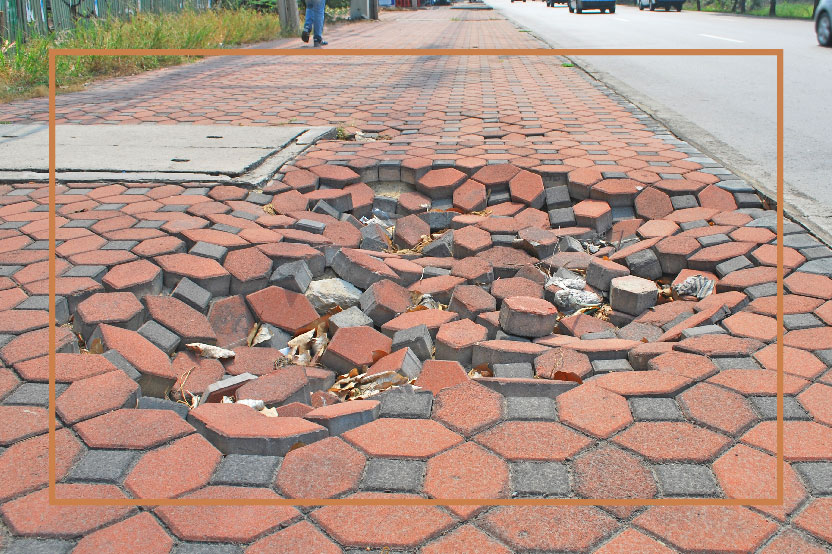
Cracked or broken stairs, loose handrails, crumbling sidewalks, and uneven flooring are common structural hazards. These defects can cause falls that result in broken bones, head injuries, spinal cord damage, and other serious harm. Building owners must inspect and repair structural elements on a regular basis.
Parking Lot and Garage Hazards
Potholes, cracked pavement, ice accumulation, poor drainage, missing signage, and inadequate security in parking lots and garages can all lead to injuries. Property owners are responsible for maintaining these areas and addressing hazards such as standing water, debris, and insufficient lighting that could endanger pedestrians and drivers.
Elevator and Escalator Malfunctions
When elevators or escalators malfunction due to poor maintenance, defective components, or failure to comply with inspection requirements, the resulting injuries can be severe. Sudden stops, misaligned doors, and entrapment can cause broken bones, crush injuries, and significant emotional trauma.
Swimming Pool Accidents
Property owners with swimming pools must comply with fencing requirements, provide adequate supervision when applicable, maintain proper drain covers, and ensure that the pool area is free of slip hazards. Drownings and near-drownings, diving injuries, and slip and fall accidents around pools frequently lead to premises liability claims.
Dog Bites on Property
When a dog bite occurs on the property owner’s premises, the owner may face liability under premises liability law in addition to any applicable strict liability or one-bite statutes. Landlords who allow tenants to keep dangerous breeds without requiring proper containment may also be held responsible.
Toxic Materials and Code Violations
Exposure to lead paint, asbestos, mold, chemical spills, or other toxic substances on someone else’s property can cause serious health problems. Similarly, violations of building codes, fire codes, and health regulations can create dangerous conditions that lead to injuries and form the basis of a premises liability claim.
Proving Negligence in a Premises Liability Case
To succeed in a premises liability claim, the injured party and their attorney must establish several key elements. First, they must show that the defendant owned, leased, or otherwise controlled the property where the injury occurred. Second, they must demonstrate that a dangerous condition existed on the property. Third, they must prove that the owner or occupier knew or should have known about the dangerous condition. This is where the concepts of actual knowledge and constructive knowledge become critical.
Actual knowledge means the property owner was directly aware of the hazard. Constructive knowledge means that the hazard existed for a sufficient period of time that a reasonably diligent property owner would have discovered it through routine inspection. For example, in a slip and fall case where a supermarket shopper slips on a grape on the floor and suffers injury, how long the grape was on the floor is something to consider in determining whether the store owner had constructive notice of a dangerous condition.
Fourth, the injured party must show that the property owner failed to take reasonable steps to address the hazard, whether by repairing it, removing it, or warning visitors about it. Fifth, they must establish that the dangerous condition was a direct and proximate cause of the injury. Finally, the injured party must demonstrate that they suffered actual damages as a result, such as medical bills, lost income, or pain and suffering.
Business owners can also be held liable for premises liability injuries that resulted from the actions, or failure to act, of their employees even if the owner was not personally aware of the harm-causing behavior. The acts of third parties can also lead to property owner liability in some cases, such as when a store customer is attacked in the store’s inadequately secured parking lot, or when another customer spills an item that remains unattended for an unreasonable period of time.
Building a strong premises liability case often requires gathering substantial evidence, including photographs of the hazard, surveillance footage, maintenance logs, inspection records, building code violation reports, witness statements, and medical documentation. An experienced premises liability attorney can help you identify, preserve, and present this evidence effectively.
Commercial vs. Residential Property Liability
Premises liability cases can arise on both commercial and residential properties, but there are important distinctions between the two.
Commercial Property Liability
Commercial property owners, including businesses such as grocery stores, shopping malls, hotels, restaurants, and office buildings, are generally held to a higher standard of care because they invite members of the public onto their premises for business purposes. These owners are expected to conduct regular inspections, maintain the property in compliance with all applicable building codes and safety regulations, train employees to identify and address hazards, and maintain adequate security measures where criminal activity is foreseeable.
Common commercial premises liability claims involve slip and fall accidents in stores, injuries from falling merchandise, escalator and elevator malfunctions, inadequate security leading to assaults or robberies, and food contamination at restaurants. Commercial property owners often carry general liability insurance, which may provide a source of compensation for injured visitors.
Residential Property Liability
Homeowners and residential landlords also have duties to maintain safe conditions on their properties. A homeowner who hosts a backyard barbecue must warn guests about a known hazard such as a loose deck board. Landlords have additional responsibilities to tenants, including maintaining common areas such as hallways, laundry rooms, and parking lots in safe condition, repairing known defects in a timely manner, and complying with housing codes related to fire safety, plumbing, electrical systems, and structural integrity.
Residential premises liability claims frequently involve injuries from defective stairs or railings, dog bites, swimming pool accidents, slip and fall incidents on icy walkways, injuries caused by lack of smoke detectors or fire escapes, and lead paint or mold exposure. Homeowners insurance policies typically cover premises liability claims, though coverage limits and exclusions vary.
Government Property Claims
Filing a premises liability claim against a government entity, whether it is a city, county, state, or federal government, involves unique challenges that do not apply to claims against private property owners. Government entities own and maintain a vast range of properties, including public parks, government office buildings, courthouses, public schools, libraries, sidewalks, and roads.
The most significant difference in government property claims is the concept of sovereign immunity, which is a legal doctrine that generally protects government entities from being sued without their consent. While most states have enacted tort claims acts that waive sovereign immunity to some extent, these statutes impose strict procedural requirements that must be followed precisely.
One of the most critical requirements is the notice of claim. In many jurisdictions, an injured person must file a formal written notice with the appropriate government agency within a very short timeframe, often 30 to 180 days from the date of the injury. Failure to file this notice within the required window can permanently bar the claim, regardless of its merit. The notice must typically include specific information such as the date, time, and location of the incident, a description of the hazardous condition, the nature and extent of the injuries, and the amount of compensation being sought.
Government property claims may also be subject to caps on damages that limit the total amount of compensation an injured person can recover. Because of these procedural hurdles and shortened deadlines, it is essential to contact an experienced premises liability attorney immediately if you have been injured on government-owned property.
Types of Compensation in Premises Liability Cases
Victims of premises liability accidents may be entitled to recover compensation for a wide range of damages, depending on the severity of their injuries and the circumstances of the incident. These damages generally fall into two categories: economic and non-economic.
Economic Damages
Economic damages compensate the injured person for measurable financial losses, including medical expenses such as emergency room visits, surgeries, hospital stays, physical therapy, prescription medications, and future anticipated medical care. They also include lost wages for time missed from work during recovery, loss of future earning capacity if the injury results in long-term or permanent disability, property damage, and out-of-pocket costs related to the injury such as transportation to medical appointments and home modifications.
Non-Economic Damages
Non-economic damages compensate the injured person for intangible losses that do not have a specific dollar value, including physical pain and suffering, emotional distress, loss of enjoyment of life, scarring and disfigurement, loss of consortium or companionship, and mental anguish. While these damages are more difficult to quantify, they are often the most significant component of a premises liability settlement or verdict.
Punitive Damages
In rare cases involving particularly egregious or reckless conduct by the property owner, the court may award punitive damages in addition to compensatory damages. Punitive damages are intended to punish the wrongdoer and deter similar conduct in the future. For example, if a landlord was repeatedly warned about a dangerous staircase collapse risk but refused to make repairs to save money, and a tenant was seriously injured as a result, punitive damages might be appropriate.
Comparative Fault in Premises Liability Cases
In many premises liability cases, the property owner will argue that the injured person was partly or entirely at fault for their own injury. This defense is known as comparative fault or contributory negligence, and it can significantly affect the amount of compensation the injured person receives.
Most states follow some form of comparative fault, which reduces the injured person’s recovery by their percentage of fault. For example, if a jury finds that a shopper who was texting while walking in a store was 20 percent at fault for not noticing a wet floor, and the store was 80 percent at fault for failing to post a warning sign, the shopper’s total award would be reduced by 20 percent. If the total damages were $100,000, the shopper would receive $80,000.
States handle comparative fault differently. Some states follow pure comparative fault, which allows injured persons to recover damages even if they are 99 percent at fault, though their recovery is reduced accordingly. Other states follow modified comparative fault, which bars recovery entirely if the injured person’s fault exceeds a certain threshold, typically 50 or 51 percent. A small number of states still follow the harsh contributory negligence rule, which completely bars recovery if the injured person bears any fault at all, even one percent.
Understanding your state’s comparative fault rules is critical to evaluating your premises liability claim. An experienced attorney at Maxx Compensation can analyze the specific facts of your case and advise you on how comparative fault may affect your potential recovery. Call 877-462-9952 for a free consultation.
Statute of Limitations for Premises Liability Claims
Every state imposes a statute of limitations on personal injury claims, including premises liability cases. The statute of limitations is a strict deadline by which a lawsuit must be filed or the injured person permanently loses the right to pursue legal action. In most states, the statute of limitations for premises liability cases ranges from one to six years from the date of the injury, with two to three years being the most common timeframe.
There are limited circumstances in which the statute of limitations may be extended or tolled. These can include situations where the injured person was a minor at the time of the injury, where the injured person was mentally incapacitated, where the property owner fraudulently concealed the hazardous condition, or where the injury was not immediately discovered. Claims against government entities are subject to even shorter deadlines as discussed above.
Because missing the statute of limitations deadline can result in the permanent loss of your right to seek compensation, it is important to contact a premises liability lawyer as soon as possible after your injury. The attorneys at Maxx Compensation can determine the applicable deadline in your state and ensure that your claim is filed on time.
What to Do After an Injury on Someone Else’s Property
If you have been injured on someone else’s property, taking the right steps immediately after the incident can significantly strengthen your premises liability claim. Here is what you should do:
Seek Medical Attention Immediately. Your health and safety come first. Even if your injuries seem minor at the time, some conditions such as traumatic brain injuries, internal bleeding, and soft tissue damage may not present symptoms right away. Getting a medical evaluation creates an official record linking your injuries to the incident.
Report the Incident. Notify the property owner, manager, or landlord about the accident as soon as possible. If the injury occurred at a business, ask that an incident report be completed and request a copy for your records. Be factual in your description of what happened and avoid speculating about the cause or making statements that could be interpreted as accepting blame.
Document Everything. If you are physically able to do so, take photographs and videos of the hazardous condition that caused your injury, the surrounding area, any warning signs or lack thereof, your visible injuries, and any torn or damaged clothing. Note the date, time, weather conditions, and lighting at the time of the incident.
Gather Witness Information. If anyone saw the accident happen, ask for their name, phone number, and email address. Witness testimony can be powerful evidence in a premises liability case, especially if the property owner disputes how the accident occurred or claims the hazard did not exist.
Preserve Evidence. Do not wash or discard the clothing or shoes you were wearing at the time of the incident, as they may serve as evidence. Keep all medical records, bills, and receipts related to your injury and treatment.
Do Not Give Recorded Statements. The property owner’s insurance company may contact you and ask for a recorded statement. You are not obligated to provide one, and anything you say could be used to minimize or deny your claim. It is best to speak with a premises liability attorney before communicating with the insurance company.
Contact an Experienced Premises Liability Lawyer. An attorney can evaluate the merits of your case, handle communications with the insurance company, gather and preserve critical evidence, and fight for the maximum compensation you deserve. At Maxx Compensation, attorney Charles C. Teale and our legal team offer free consultations and work on a contingency fee basis, meaning you pay nothing unless we win your case. Call 877-462-9952 today.
Premises Liability FAQ
What is the difference between premises liability and general negligence?
General negligence involves someone’s careless actions or failure to act that causes harm to another person, such as a distracted driver causing a car accident. Premises liability is a specific type of negligence that focuses on the condition of a property rather than active conduct. In a premises liability case, the central question is whether the property owner maintained the premises in a reasonably safe condition and whether they knew or should have known about a dangerous condition that caused the injury.
Can I sue a landlord for injuries in my apartment?
Yes, in many cases you can. Landlords have a legal duty to maintain rental properties in a habitable and safe condition. If your landlord knew about a dangerous condition in your apartment or in a common area such as a hallway, stairwell, or parking lot, and failed to repair it within a reasonable time, and you were injured as a result, you may have a premises liability claim. Common examples include injuries from broken stairs, defective plumbing causing water damage and mold, faulty electrical wiring, and lack of adequate security.
What if I was partially at fault for my injury?
In most states, you can still recover compensation even if you were partially at fault, though your award will be reduced by your percentage of responsibility. For example, if you were found to be 30 percent at fault and your damages totaled $200,000, you would receive $140,000. However, the rules vary by state. Some states bar recovery if your fault exceeds 50 or 51 percent, and a few states bar recovery if you bear any fault at all. An attorney can explain the specific rules that apply in your jurisdiction.
How long do I have to file a premises liability claim?
The statute of limitations for premises liability claims varies by state but typically ranges from one to six years, with two to three years being most common. Claims against government entities often have much shorter deadlines, sometimes as few as 30 to 180 days for filing a notice of claim. Because missing the deadline permanently bars your case, contact a premises liability lawyer as soon as possible after your injury.
What kind of evidence do I need for a premises liability case?
Helpful evidence includes photographs and videos of the hazardous condition, incident reports filed with the property owner, medical records documenting your injuries, witness contact information and statements, surveillance camera footage, maintenance and inspection logs, building code violation reports, and records of prior complaints about the same hazard. Your attorney can help you identify, gather, and preserve the most relevant evidence for your specific case.
Can I file a claim if I was injured at a construction site I was not working at?
Yes. If you were a pedestrian, delivery driver, or other non-worker who was injured at or near a construction site, you may have a premises liability claim against the property owner, general contractor, or subcontractor responsible for maintaining safe conditions. Construction sites must be properly fenced, signed, and secured to prevent unauthorized entry and to protect passersby from falling debris, open excavations, and other hazards.
Does premises liability apply to injuries from snow and ice?
In many states, yes. Property owners in areas that experience winter weather generally have a duty to remove snow and ice from walkways, parking lots, and entrances within a reasonable time after a storm. The specific rules vary by state, and some jurisdictions distinguish between natural accumulations of snow and ice versus artificial accumulations caused by poor drainage or gutter runoff. If you slipped and fell on ice or snow that a property owner should have cleared, you may have a valid premises liability claim.
What is the attractive nuisance doctrine?
The attractive nuisance doctrine is a legal principle that holds property owners liable for injuries to trespassing children if the property contains a feature that is likely to attract children and poses a danger to them. Common examples of attractive nuisances include swimming pools, trampolines, playground equipment, fountains, construction equipment, and abandoned vehicles. To avoid liability, property owners must take reasonable precautions such as installing fences, locks, and warning signs to prevent children from accessing these hazards.
How much does it cost to hire a premises liability lawyer?
At Maxx Compensation, there is no upfront cost to hire our premises liability attorneys. We work on a contingency fee basis, which means you pay nothing unless we recover compensation on your behalf. Our initial consultations are always free, and we advance all costs associated with investigating and litigating your case. This arrangement allows injured individuals to access experienced legal representation without worrying about out-of-pocket expenses during a difficult time.
How much is my premises liability case worth?
The value of a premises liability case depends on many factors, including the severity of your injuries, the cost of your medical treatment, the extent of your lost wages and diminished earning capacity, the degree of your pain and suffering, and the strength of the evidence establishing the property owner’s negligence. Every case is unique, and an experienced attorney can provide a more accurate estimate after reviewing the specific facts and circumstances. Contact Maxx Compensation at 877-462-9952 for a free, no-obligation case evaluation.
Contact a Premises Liability Lawyer Today
If you or a loved one has been injured on someone else’s property due to unsafe conditions, you may be entitled to significant compensation for your medical expenses, lost wages, pain and suffering, and more. The experienced premises liability attorneys at Maxx Compensation are ready to fight for the justice and financial recovery you deserve. Attorney Charles C. Teale and our legal team have helped clients nationwide hold negligent property owners accountable.
Consultations are always free, and you will never pay any attorney fees unless we recover compensation on your behalf. Do not wait. The statute of limitations on your claim is already running. Call 877-462-9952 now or visit our Free Case Evaluation page to get started today.
ABOUT US
Full Service Personal Injury Law Firm
If you are in need of an experienced premise liability lawyer contact Maxx Compensation today for a free consultation. You can also call 877-4-Maxx Law or 877-462-9952 anytime to arrange your free confidential consultation. Maxx Compensation serves clients nationwide.

Legal Support You Deserve
Our legal team is committed to being both fierce advocates and compassionate allies for our clients. We prioritize protecting your rights while delivering personalized attention and clear communication throughout your case. At Maxx Compensation, our mission is to secure the maximum compensation you deserve while ensuring you stay informed and supported every step of the way.
“Knowledgeable, honest, gets it done!”
“Competent, Intelligent & Level-Headed”
“Maxx Compensation and their legal staff were vigilant and available whenever needed.”
Request a Free Injury Consultation Today
We offer free initial consultations for all injury cases. You won’t pay any attorney fees unless we secure a settlement or favorable verdict for you. There’s no obligation or risk in reaching out to us today for your complimentary consultation.
The use of this contact form or website for communication with our firm does not establish an attorney-client relationship. Please do not send confidential or time sensitive information.